Travel planning is the foundation of a smooth and enjoyable journey. While spontaneous trips can be exciting, proper preparation reduces stress, saves money, and helps avoid unnecessary problems. Smart travel planning is not about controlling every detail, but about making informed decisions before you leave.
Understanding Your Travel Goals
The first step in travel planning is defining your purpose. Are you traveling for leisure, business, or personal growth? Knowing your goal helps shape your itinerary, budget, and destination choices. A relaxed vacation requires different planning compared to a fast-paced city trip or a long-term journey.
Clear goals also help prevent overspending and travel fatigue. Travelers who plan with intention are more likely to enjoy their experiences without feeling rushed or overwhelmed.
Budgeting and Cost Awareness
Budget planning is one of the most critical aspects of travel preparation. Start by estimating major expenses such as transportation, accommodation, food, and activities. Always include a buffer for unexpected costs.
Smart travelers compare prices across platforms, book flights early when possible, and research local transportation options. Understanding exchange rates and daily living costs in your destination can also prevent financial surprises.
Travel Documents and Requirements
Proper documentation is non-negotiable. Passports should be valid for at least six months beyond your travel dates. Many countries require visas, proof of onward travel, or vaccination records.
Make digital and physical copies of important documents, including your passport, travel insurance, and reservations. Keeping backups reduces stress in case of loss or emergencies.
Packing with Purpose
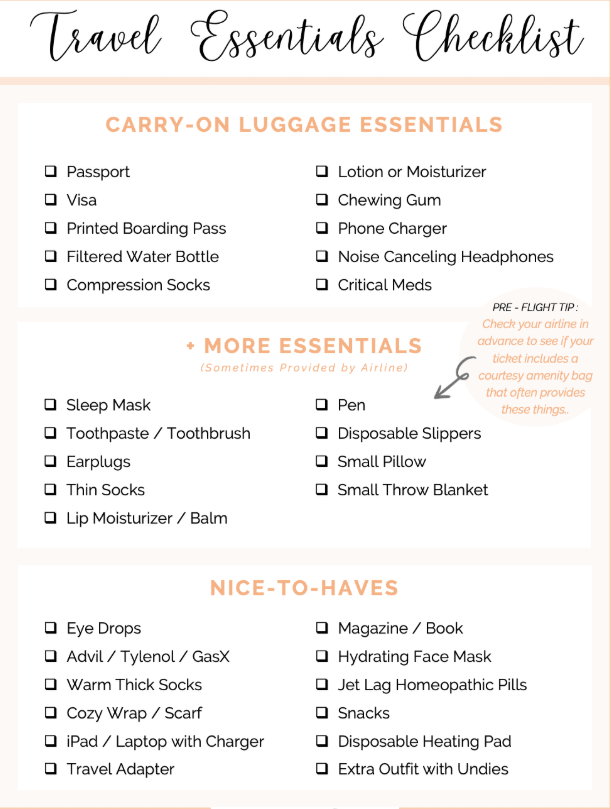
Overpacking is a common mistake. Smart packing focuses on essentials and versatility. Choose clothing that can be mixed and matched and appropriate for the destination’s climate and culture.
A basic travel checklist includes:
- Travel documents
- Clothing essentials
- Personal hygiene items
- Electronics and chargers
- Medications and first-aid basics
Packing light improves mobility and reduces airline fees.
Health, Safety, and Insurance
Travel insurance is often overlooked but extremely important. Coverage for medical emergencies, trip cancellations, and lost belongings provides peace of mind.
Research health considerations at your destination, including local healthcare access and recommended vaccinations. Knowing emergency numbers and nearby medical facilities adds an extra layer of safety.
Creating a Flexible Itinerary
An itinerary should guide your trip, not control it. Plan major activities but leave room for rest and spontaneous exploration. Overloaded schedules often lead to burnout.
Smart planning balances structure with flexibility, allowing travelers to adapt to unexpected opportunities or changes.
The Value of Preparation
Well-prepared travelers experience fewer disruptions and more enjoyment. Travel planning enhances confidence and allows you to focus on experiences rather than problems.
By investing time in preparation, you set yourself up for a journey that is not only organized but genuinely rewarding.